
Heartland FM Podcast
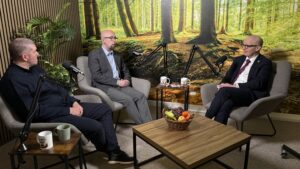
Local radio still moves people, even as digital platforms dominate headlines. In Perthshire, Heartland FM shows why. The station’s story starts with a lockdown phone call and a bold idea: build a service that plays the right music for shared spaces while becoming the backbone of local information. That idea led to Radio Earn, an online start, then to rescuing Heartland FM’s license to create a terrestrial home for communities stretched across Highland and Lowland Perthshire. Geography and regulation shaped every decision. With no new FM licenses or DAB provision available, the team fused traditional FM’s reliability with online listening and smart speakers to reach as many listeners as possible.
The result is a hybrid model grounded in place, built for people who want company, context, and a calendar that feels close to home.
Heartland FM’s daytime is simple on purpose: a melodic, middle‑of‑the‑road playlist that suits cafes, shops, surgeries, and workshops from six to six. It is the soundtrack you can hum to while hearing what matters nearby. The What’s On guides, read across shows, knit together scattered hamlets by promoting everything from board game nights to yoga classes. In places where BBC signals fade and DAB drops out, a steady FM signal and clear local info become social glue. Evenings flip the dial. Volunteers bring specialist shows—folk, jazz, Celtic rock, classical, country, and Scottish music—that reward appointment listening. Listeners know when their niche arrives every week, and if they miss it, the Listen Again feature on the app and website turns radio into a service that fits real lives. For a small charity with lean resources, that reliability feels premium.
The station’s charitable engine is just as important. Under the Heartland Radio Foundation, the team built the Heartland Academy with National Lottery support to fill gaps schools can’t always cover. Radio and podcast training gives young people SQA‑approved paths in audio production, interviewing, scripting, and public speaking. Teachers now get trained too, multiplying impact across classrooms. For students with timetable gaps, hands‑on audio projects create momentum, confidence, and credentials. Some will present on air. Others will take those skills into media, marketing, or local businesses that need people who can shape a story and talk to an audience. Community learning is expanding, with adult courses that help towns like Auchterarder launch their own podcasts and drive attendance at venues such as the Picture House.
Outreach makes the model scale. A redesigned website lets groups self‑upload events so the What’s On guide updates fast. Social media carries local news that people can act on, pushing traffic back to stories and listings. The payoff is tangible: venues report higher turnout and more mentions of “heard it on Heartland FM.” For rural residents, that loop restores trust in broadcast as a dependable guide. For businesses, it proves radio advertising’s quiet superpower—repetition that sticks in memory and drives the next visit. The team is pragmatic about costs: FM is expensive, DAB isn’t viable locally, and broadband varies.
So they tune the mix—FM for reach, online for depth, and volunteers for heart—to serve real needs without chasing scale that dilutes their mission.
The vision is crisp: be the first place Perthshire turns for local news, traffic, culture, and skills. Keep daytime inviting and informative. Keep evenings distinctive and passionate. Grow a pipeline of new voices through training, and invite experienced presenters who can raise the bar. Most of all, act as a one‑stop community hub where councils, charities, and clubs can publish, promote, and connect. The ask is clear, too. If you love where you live, take part: submit events, volunteer, sponsor a show, or advertise. Community radio thrives when listeners become contributors, and when businesses see that a friendly voice on the dial can also be a bridge across hills, glens, and busy high streets. Heartland FM’s message is simple—local isn’t small. Local is close.